Brand StrategyBrief B-740
Coca-Cola Bets Its Brand on AI: What Marketing Leaders Should Take From It
Coca-Cola has put AI at the center of a rebrand, signaling how brand building and consumer engagement will change for marketing leaders.
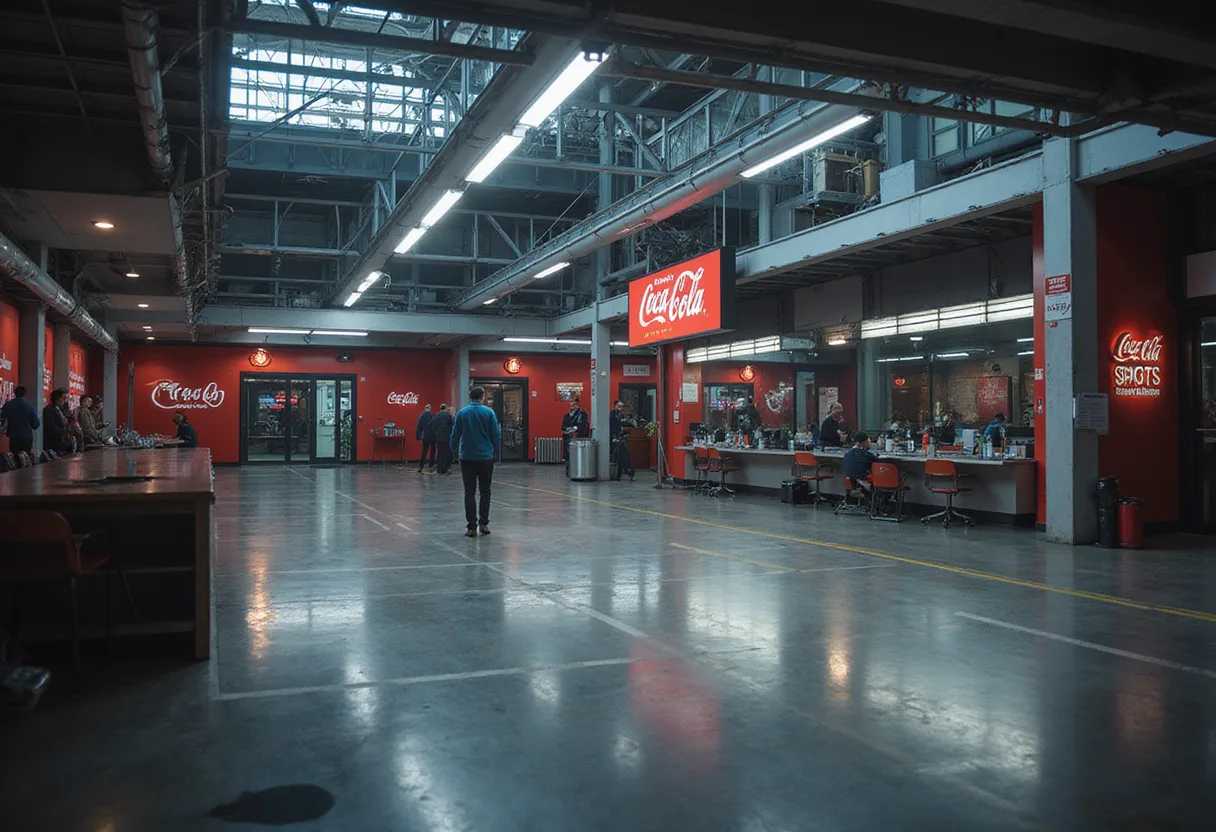
Coca-Cola has put artificial intelligence at the center of a rebrand, and the decision signals how one of the world's most recognized marketers expects brand building and consumer engagement to work in the years ahead.
The move, reported by Tekedia, positions AI not as a back-office efficiency tool but as a core creative and strategic capability. For chief marketing officers, that distinction matters. Coca-Cola is not trimming production costs at the margins. It is restructuring how the brand conceives, produces, and distributes its marketing.
Why does a rebrand at Coca-Cola carry this much weight?
Few companies carry brand equity as concentrated as Coca-Cola's. The company's visual identity ranks among the most consistently recognized in global commerce. When a marketer with that profile retools its approach around AI, competitors and agency partners read it as a signal, not an experiment.
The decision implies confidence that AI-generated and AI-assisted creative can meet the quality bar the brand has historically set through conventional production. It also implies an expectation that consumers will accept — and engage with — machine-assisted brand experiences at scale.
What does the shift change for marketing leaders?
The Tekedia report frames the rebrand as an indicator of where marketing and consumer engagement are heading more broadly. Three implications stand out for CMOs:
- Creative velocity becomes a strategic variable. AI compresses the cycle from concept to campaign, allowing brands to test more variants, localize faster, and respond to cultural moments in near real time.
- Personalization moves from segmentation to individual experience. AI-driven engagement models can adapt messaging and creative at the level of the single consumer rather than the audience cohort.
- The agency model faces renegotiation. When generative tools sit inside the brand's own workflow, the division of labor between in-house teams, agencies, and technology vendors has to be redrawn.
Is consumer engagement actually ready for this?
That is the open question. Tekedia's framing suggests the rebrand is a bet on the future of consumer engagement, not merely a present-day cost play. Brands that follow Coca-Cola's lead will need to measure whether AI-generated brand experiences deepen loyalty or dilute the consistency that legacy brands spent decades building.
The risk runs in both directions. Move too slowly, and competitors capture the speed and personalization advantages AI enables. Move too aggressively, and the brand voice fragments across thousands of machine-generated variants.
What should CMOs do next?
Coca-Cola's decision gives marketing leadership a concrete reference point for boardroom conversations about AI budgets and operating models. The practical steps are straightforward to state and hard to execute:
- Audit which parts of the creative pipeline can move to AI-assisted production without sacrificing brand standards.
- Define governance for brand voice, visual identity, and legal review before scaling generative output.
- Build measurement frameworks that track engagement quality, not just output volume, from the first pilot onward.
Coca-Cola has placed its bet. The rebrand will serve as the industry's most visible test of whether AI-led brand building can deliver engagement at the standard global marketers have long associated with the company's name. Marketing leaders should watch the results closely — and plan their own moves before the evidence is fully in.
Source: Google News: brand rebrand
Filed under
- ai-marketing
- brand-strategy
- coca-cola
- generative-ai
- cmo
More from Nathan Brooks
Show full bio
Staff writer covering companies, deals and strategy in marketing leadership at CMO Observer.
33 articles
Related articles

The newsroom digest
One email a day with the stories that matter. No noise.