United Airlines Reshapes Loyalty Program With Carrot-and-Stick Rules
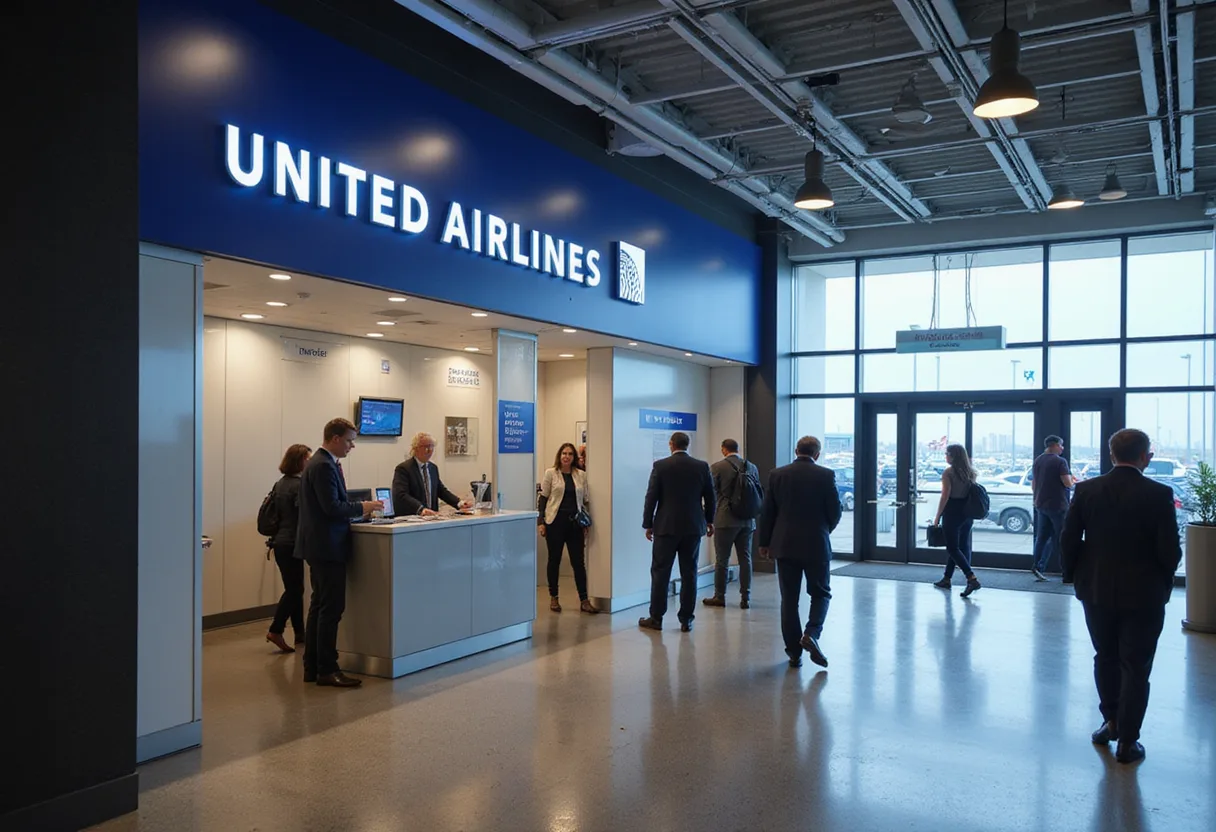
United Airlines is changing its loyalty program, and the airline itself frames the shift as a "carrot, stick" approach — rewards for some members, penalties or restrictions for others. That framing comes from the program change as reported by CX Dive. The company has not yet published a full breakdown of every rule, threshold, or date attached to the shift. What follows is what the headline-level change tells us, and what it leaves out.
Why does this matter to marketing leaders? Because loyalty economics sit at the center of airline margin strategy. A carrier that publicly describes its own program in carrot-and-stick terms is signaling a deliberate segmentation play: reward the members the brand wants to keep, and make the program less generous for everyone else.
That is a classic two-lever move. The carrot lever drives retention among high-value travelers. The stick lever trims liability — the cost of unredeemed points — and discourages low-margin behavior. Both levers usually show up in the same announcement for a reason.
What do we actually know?
The confirmed facts are narrow:
- United Airlines is changing its loyalty program.
- The airline characterizes the approach as "carrot, stick."
- The change was reported by CX Dive.
That's the full confirmed set. United has not, in the material available here, quantified the change — no point-value adjustments, no elite-tier thresholds, no effective dates appear in the source.
I won't invent them. A loyalty headline without numbers is a promise without a price tag, and CMOs should read it that way until United publishes the terms.
What is the 'carrot, stick' logic?
The phrase does real work. It tells us United expects the program change to be popular with some members and unpopular with others, and that the airline has accepted the trade.
Loyalty programs in airlines typically run on two currencies: redeemable miles (earned per dollar spent) and elite qualifying credits (earned per flight or per dollar, which unlock status tiers like Premier in United's MileagePlus structure). A carrot-and-stick redesign usually raises earning rates for one behavior while cutting them for another — say, more credit for premium-cabin spend, less for discounted economy.
That's the industry pattern. It is not, I stress, a confirmed description of United's specific changes. The specifics matter, and they're absent.
What isn't being said yet?
Three gaps stand out:
- No numbers. No percentage changes, no spending thresholds, no dates. Until those land, the financial impact on members is unquantifiable.
- No status-award mechanics. We don't know whether the stick falls on earning rates, redemption prices, or elite qualification.
- No member communication plan. Devaluations live or die on rollout — a goodwill buffer, a grace period, or grandfathering can decide whether a change reads as a perk refresh or a broken promise.
Every loyalty redesign promises better-targeted rewards. Every one of them carries the caveat that "better" depends entirely on which segment you sit in.
What should CMOs watch next?
Watch for the terms and conditions filing, which will carry the numbers. Watch for United's member email, because tone there will reveal how the airline weighs the stick against the carrot. And watch the first quarterly commentary after implementation — management teams love to quantify loyalty-driven revenue shifts once the data exists.
The broader lesson travels beyond airlines. Any brand running a points economy faces the same fork: keep the program generous and broad, or sharpen it around the customers who actually fund it. United has chosen sharpening — or at least chosen to describe its choice that way.
The proof will be in the terms, not the tagline. When United publishes them, compare the new earning and redemption tables against the old ones. That side-by-side — not the marketing copy — will tell you whether the carrot is real and how heavy the stick swings.
This story will be updated as United discloses specifics.
Source: Google News: customer experience loyalty
Nathan Brooks
Show full bio
Staff writer covering companies, deals and strategy in marketing leadership at CMO Observer.