Brand StrategyBrief B-248
ESPN Builds Its First Unified Brand Identity in Network History
ESPN has never had a single official brand identity — until now. The sports network is consolidating decades of accumulated visual conventions into one unified system.
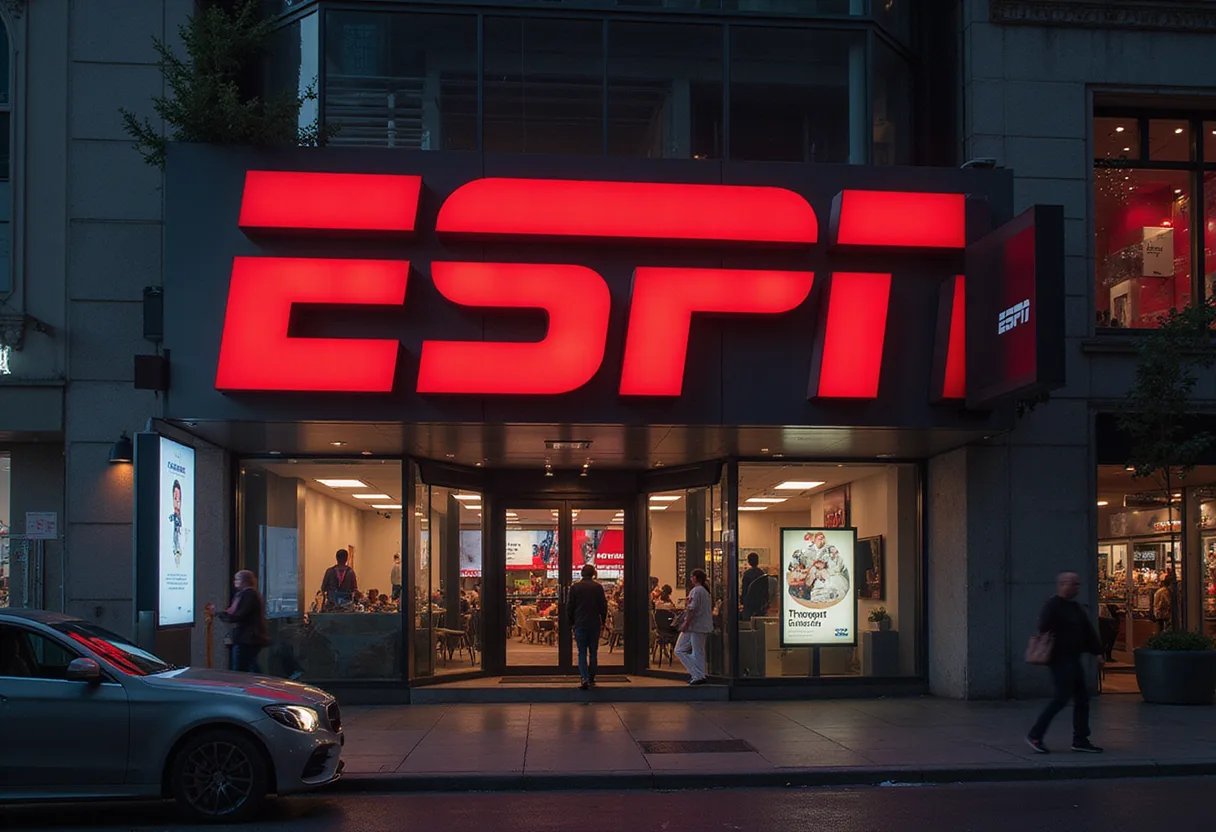
ESPN has launched the first official, unified brand identity in the company's history, according to a Marketing Brew report. Until now, the sports network never operated under a single, codified brand system — a gap that has finally closed.
The news lands at a moment when ESPN's parent, Disney, has been repositioning the sports brand as a direct-to-consumer business. A single identity gives marketing leaders one coherent architecture to carry across linear broadcasts, the ESPN app, streaming, and commercial partnerships.
Why did ESPN go so long without one?
ESPN grew through accumulation rather than design. Over decades, the network layered new logos, on-air packages, and sub-brand looks on top of old ones. Different shows, platforms, and events developed their own visual conventions. None of that was ever consolidated into one official identity that governed everything the company put in front of audiences.
That approach was workable when ESPN's output lived mostly on television. It became a liability as the brand spread across apps, streaming tiers, social channels, licensing deals, and live events — each surface demanding consistent representation.
What changes now?
The new identity establishes a single official standard where none existed before. For a brand of ESPN's scale, that affects:
- On-air presentation and studio graphics
- Digital and app experiences under the ESPN banner
- Marketing campaigns and promotional materials
- Licensed and partner-facing uses of the brand
The core commercial logic is straightforward. A unified identity reduces fragmentation, cuts the cost of maintaining divergent brand assets, and gives every touchpoint a recognisable, repeatable look.
What does this mean for marketing leaders?
The move is a useful case study in brand governance at scale. ESPN is one of the most recognised media brands in the world, and it functioned for its entire corporate life without a formal identity system. The decision to build one now signals that:
- Audience fragmentation across platforms has made ad-hoc branding unsustainable
- Direct-to-consumer products raise the operational cost of visual inconsistency
- Even heritage brands eventually need codified design systems to compete
For CMOs at multi-property media and consumer companies, ESPN's move illustrates the trade-off between the flexibility of informal branding and the efficiency of a governed identity. The tipping point tends to arrive when a brand must appear simultaneously and consistently across more channels than its internal teams can manually coordinate.
The bigger picture
ESPN's identity overhaul fits a broader pattern of media companies reorganising around streaming-first operations, where brand architecture — not just programming — determines subscriber acquisition and retention. A single identity is infrastructure for that shift.
The company has not previously needed an official identity to dominate sports media. It now believes it needs one to grow beyond it.
This article is based on reporting by Marketing Brew.
Source: Google News: brand rebrand
Filed under
- brand-identity
- brand-governance
- espn
- media-branding
- streaming
More from Marcus Bennett
Show full bio
Correspondent covering money, funding and market shifts around marketing leadership at CMO Observer.
30 articles
Related articles


The newsroom digest
One email a day with the stories that matter. No noise.